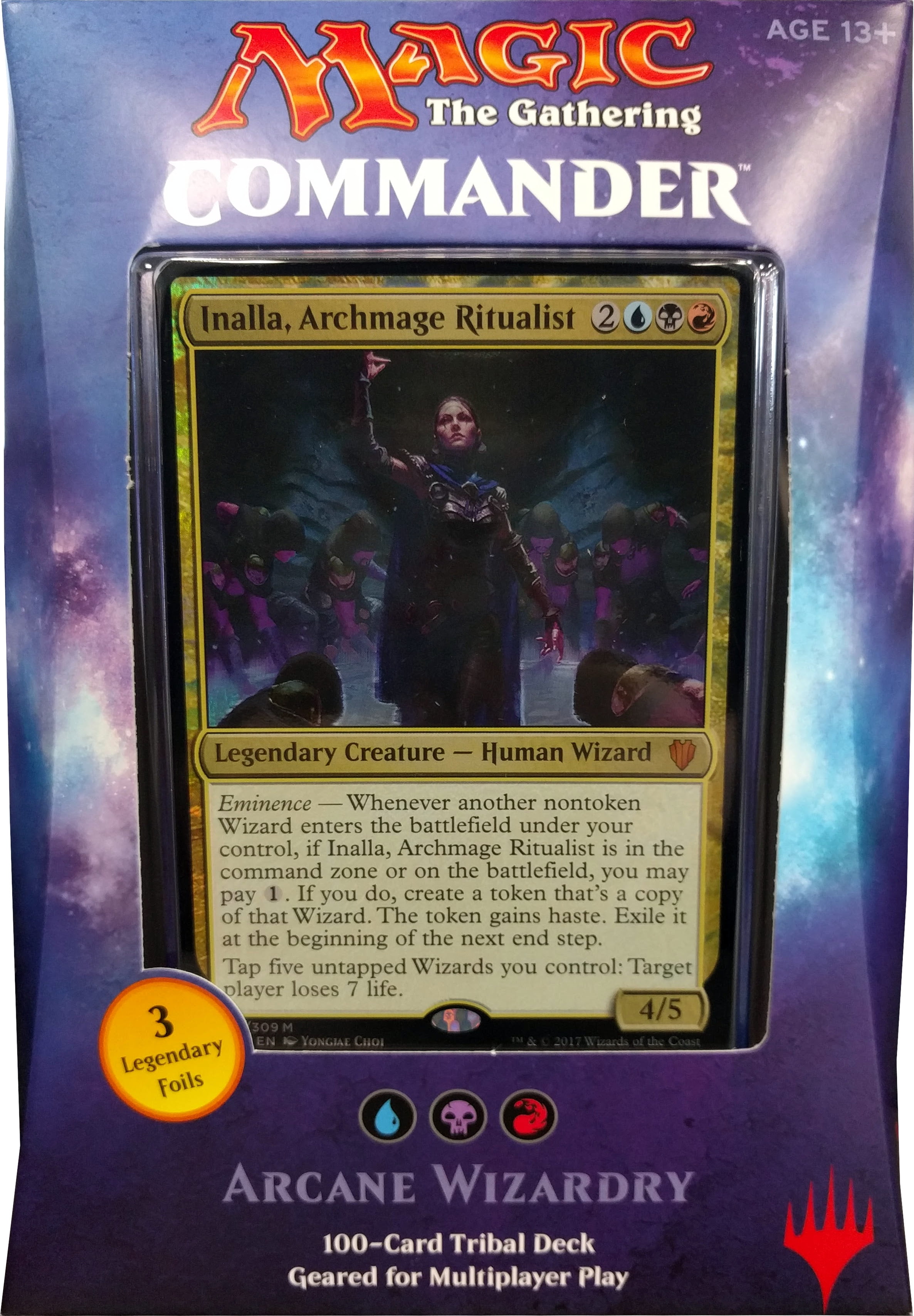
Magic: The Gathering is a game that combines strategy, creativeness, and a little good fortune, making it an exhilarating experience for players of all age range. For newcomers, developing your first floor can seem difficult, full of overwhelming selections and complex guidelines. However, with the right guidance, composing a competitive porch can transform into an exilerating journey. This kind of comprehensive guide is dedicated to turning beginners into confident floor builders, offering important as well as strategies in order to create an earning Magic: The Gathering deck.
As you dance into the entire world of deck constructing, you'll discover a plethora of options, from choosing the ideal color combinations in order to understanding mana management. Whether you're targeting a specific archetype or just want in order to create an inspired deck that expresses your personal design, this guide will give you with the necessary tools in order to construct a deck that not only sticks out but also functions well in various programs. Be prepared to consider your first actions into the radiant universe of Magic: The Gathering, where every card provides a story and every match is some sort of new adventure.
Understanding Magic: The Gathering Outdoor patio Building Principles
Creating a Magic: The Gathering porch begins with understanding the fundamental components of the online game: cards, mana, animals, and spells. Magic The Gathering includes a mix of these elements, structured to be able to support a logical strategy. A normal deck consists regarding a minimum regarding 60 cards, which in turn can include gets for mana generation, creatures to assault your opponent, and even spells for several effects. Each cards serves a particular objective, and balancing their types is key to be able to achieving the preferred outcome during gameplay.
Mana is the lifeblood of your terrace, allowing you to cast spells and summon creatures. It's essential to include an appropriate amount of lands to ensure you will consistently play your own cards. Different hues of land produce different types associated with mana, so understanding the mana needs of your respective spells is crucial. When building your deck, aim for a well-balanced mana curve, which often refers to the submission of spells around different casting fees. This strategy will assist ensure that you have options to play throughout the game.
Finally, defining the win condition will be vital in the deck-building process. Therefore determining how you want to achieve victory, whether through direct damage, overwhelming the opponent with beings, or control methods that neutralize their very own plays. Consider the strengths of each and every card regarding your current win condition, plus choose synergies of which enhance your total strategy. A well-constructed deck aligns their card choices using a coherent plan, letting you adapt to different opponents and game scenarios.
Methods for Creating the Successful and Aggressive Deck
When crafting a deck that is both successful and even competitive, the primary step is usually to target on the mana curve. A rounded mana curve enables you to carry out cards effectively at each stage of the game. Aim in order to incorporate a mix regarding low-cost, mid-range, and high-cost cards in order to ensure that an individual can make considerable plays in the early game whilst also maintaining highly effective options for the later stages. Generally, it's wise in order to have about 40% of your greeting cards costing three mana or less to allow a strong earlier game presence.
Another crucial element to consider is synergy between your cards. Appearance for card mixtures that enhance the other person or share a typical theme. This can involve creatures that will boost one another's stats or means that work well together to regulate the plank. A deck with obvious synergy not only improves effectiveness but also creates even more engaging and fulfilling gameplay. Make certain to select playing cards that align along with your chosen method, whether it be aggro, control, or combo.
Lastly, testing and even refining your terrace cannot be overemphasized. Playtest your floor against different opposing team and strategies in order to identify areas regarding improvement. Pay focus to card functionality, considering which playing cards consistently underperform or even do not add to your overall video game plan. Gathering feedback from your playgroup can be invaluable, since they might offer insights you hadn’t considered. Continually changing your deck structured on these encounters will lead to be able to a far more formidable and competitive build over time.
Building Decks about a Budget in addition to for Different Formats
Setting up a Magic: The Gathering deck on a tight budget can be the two fun and rewarding. To be able to start, concentrate on inexpensive cards that offer good value and synergy for your particular strategy. Look regarding cards which may have a number of uses or might fit into different decks. Websites that will track card prices can help a person find budget-friendly choices, while local adventure stores often times have discount bins or trading opportunities. Don't hesitate to utilize standard lands and typical cards, as they can significantly reduce costs without sacrificing run.
If considering different forms, each has their unique requirements and even constraints. Such as, Common format requires an individual to use cards from the many recent sets, which often sometimes means investing in a number of key cards. Inside contrast, formats love Commander permit better creativity and quite often inspire the utilization of spending budget staples. Researching address will help you customize your deck accordingly, ensuring your card choices align with what is anticipated in those surroundings.
The key to creating a successful and cost-effective deck is to maintain balance and focus on your strategy. Consider including some sort of mix of creatures, spells, and dimana sources to ensure consistency. Moreover, tests your deck in opposition to others can provide insight into how it performs, letting adjustments without smashing the bank. Ultimately, creating a budget-friendly deck that matches your preferred format will be not only feasible but can lead to exciting gameplay experiences.